ProFloorTech

Raised Access Floor Anchor Types: How to Choose the Right Pedestal Fixing Method for Data Centers, LNG Plants and Industrial Projects

gail19383@gmail.com Uncategorized

Raised Access Floor Anchor Types: Engineering Assessment of Mechanical, Chemical, Adhesive and Welded Fixing

Selecting the correct raised access floor anchor type is just as important as selecting the floor panel itself. While floor panels receive most of the attention during procurement, the pedestal fixing method ultimately determines the structural stability, long-term durability and safety of the entire raised floor system.

In data centers, LNG plants, industrial control rooms and offshore facilities, the wrong anchoring method can result in excessive floor movement, reduced vibration resistance, corrosion problems and costly maintenance throughout the service life of the installation.

This guide explains the engineering principles behind the four primary pedestal fixing methods and provides practical recommendations for different project environments.


What Is a Raised Access Floor Anchor?

https://images.openai.com/static-rsc-4/g4gaT-E2cDHJ_YI6nlLpIRRuzAFCpdRoBszxsn_fa8iaMRRSBtiAAtkM818VFUbqyLhlRWciNDEdEIsmazX8ralUyA-oyeoql-Anqzp2ZivDw5umcu2ZuNgFw2NPQIDbdtle_eBt0hGysFCCWmnqricyOB0ARSvoFRA-DGiAbq-lRbOLsIU4gHzACl9BKoDU?purpose=fullsize

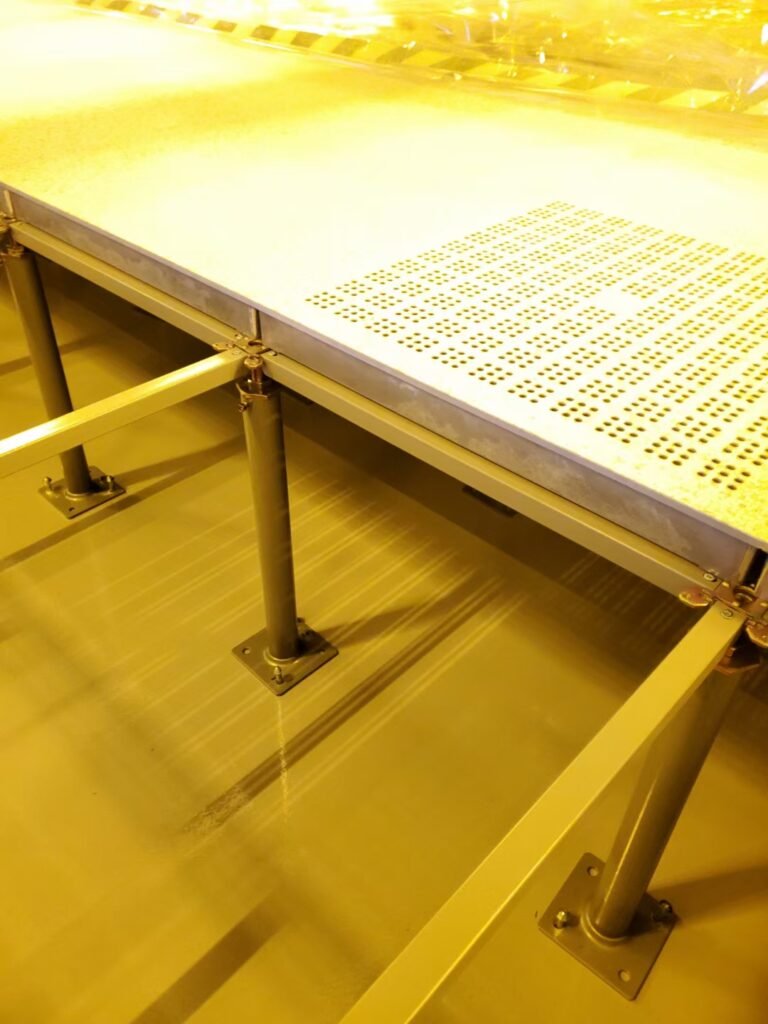
A raised access floor anchor connects the pedestal base plate to the structural subfloor, transferring vertical loads, horizontal forces and overturning moments into the building structure.

The selected anchor system influences:

  • Vertical load capacity
  • Lateral stability
  • Dynamic vibration resistance
  • Seismic performance
  • Long-term durability
  • Corrosion resistance
  • Installation efficiency

Choosing the correct fixing method requires consideration of the structural substrate, environmental conditions and project specifications—not simply the floor panel load rating.


Definition Layer

  • Mechanical Anchor uses expansion or thread engagement within concrete to transfer loads.
  • Chemical Anchor bonds threaded rods into concrete using epoxy or vinyl ester resin.
  • Adhesive Fixing relies on structural adhesives without mechanical fastening.
  • Welded Fixing permanently connects the pedestal base plate to a steel structure through welding.

Why Anchor Selection Matters

The anchor is the final load path between the raised floor and the building.

An inappropriate fixing method may lead to:

  • Pedestal movement
  • Concrete cracking
  • Anchor pull-out
  • Increased floor deflection
  • Reduced rolling load performance
  • Premature corrosion
  • Lower seismic resistance

For finished floor heights above 800–1000 mm, anchoring becomes even more critical, and additional structural measures such as diagonal bracing may also be required.


1. Mechanical Anchors

https://images.openai.com/static-rsc-4/g4gaT-E2cDHJ_YI6nlLpIRRuzAFCpdRoBszxsn_fa8iaMRRSBtiAAtkM818VFUbqyLhlRWciNDEdEIsmazX8ralUyA-oyeoql-Anqzp2ZivDw5umcu2ZuNgFw2NPQIDbdtle_eBt0hGysFCCWmnqricyOB0ARSvoFRA-DGiAbq-lRbOLsIU4gHzACl9BKoDU?purpose=fullsize
https://images.openai.com/static-rsc-4/OuqW83G3AhDo4ypqlqd-g0pCKJyFyRFNIr5o2HCT7lDaiHN5aTQ3W6DQOigUstW5yURfXO4yG4zTCZta8uq7yOTJg8aq7CLvc5YVkIEHnMXOPdv3WbjpWtph0G4VtCVJ6PnTTKwcNOlJkVafcmwB2IrDN3rq-y3DQKZTQATKG46HHT97z4AN8ElC-Nx4R3yL?purpose=fullsize

Mechanical anchors (expansion anchors or wedge anchors) remain the most widely used fixing solution for raised access floor systems installed on reinforced concrete slabs.

How They Work

The anchor expands inside a drilled hole, creating mechanical friction between the fastener and the concrete.

Advantages

  • Fast installation
  • Immediate loading
  • High structural capacity
  • Easy inspection
  • Cost-effective

Best Applications

  • Office buildings
  • Commercial facilities
  • Data centers
  • UPS rooms
  • Control rooms

Engineering Considerations

Mechanical anchors introduce radial expansion forces into concrete. When installed too close to slab edges or into post-tensioned concrete, careful engineering review is required.


2. Chemical Anchors

https://images.openai.com/static-rsc-4/Grp8MZw1wY6hzX0y2h-RGxZwyG1UplTnZKE24VPht1qssrQVDCryBL1z8PW_lj3yCaU7tcy3xUM9oIjdWW3ub3tGnWuTakyr3I9CgfjXiIwr-KMTcFx3rQgibM0iqok2RHaPpZ1dNq_4wGtr8-nvILT5-6JbeZCNKPQdYaoiTpQtz33CI1bhc_Si_rlI496s?purpose=fullsize
https://images.openai.com/static-rsc-4/Te6ZbQdh-13dojKVk1uL0zPjP27r3gFat70AnvbYow6qhFJli5nxYlgR0I1jRX2CKrwfNz_Bkw4JLWoKMAEGw58mb0qgzvmYXEAGaIfZyj0DHmLo_mp4w2VHpOpxaaHK3tQ_zfdLjpwDIMvWfWFjr3PBJkc-8D4cOktmXd2-WD1KU_MAFpBE7e4G0RYCTA3c?purpose=fullsize

Chemical anchors use epoxy or vinyl ester resin to permanently bond threaded rods into drilled concrete holes.

Advantages

  • Excellent pull-out resistance
  • Superior vibration performance
  • Reduced concrete stress
  • Suitable for cracked concrete
  • Excellent seismic performance

Recommended Applications

  • LNG plants
  • Petrochemical facilities
  • Nuclear plants
  • Heavy industrial projects
  • Instrument rooms

Engineering Considerations

Proper hole cleaning and curing time are essential to achieve the specified design load.


3. Adhesive Fixing

https://images.openai.com/static-rsc-4/1yXPP8rPO2eAXUBtxJkgHMxeAoo_Smv0tR1a3EMa80cuQ9H8D8T3hiXgZsSEeH7w86_4_TJ4v-0GHNZnEh6d9HbI033PhxGvpGeDt9WK3qKzWzcPw4okTDI7_5IAPLDiqefsRjGvKUu1wlzWdBRqME0J-EwrSVBpoKAcQiZ3w4x6ecqndBMWdcidKQ1BnBdR?purpose=fullsize

Adhesive fixing bonds pedestal base plates directly to the slab using structural epoxy or polyurethane adhesive.

Advantages

  • No drilling
  • Fast installation
  • Reduced dust
  • Suitable for renovation projects

Limitations

Adhesive-only fixing is generally not recommended for:

  • Heavy industrial facilities
  • LNG projects
  • Offshore applications
  • High vibration environments

Moisture testing should be completed before adhesive installation.


4. Welded Fixing

https://images.openai.com/static-rsc-4/SNTK5hFK28uZU4jN6yn0ZY_vyynhUPcDu_DQWMGwZWA2MIjSJuoLyhdZABFxs6dY-pSUmqgNMUX2RT4MnbCpo9oZYlUMJzv9GCYhVPgNZlsDbCXWSTV6nlyAdynCqBVZOtnZi2dlYQdmcHYDORzJakpe50JlBRDXTA_1Ejivw9BqPPfWkeZj0p6chLM1859v?purpose=fullsize

Where the supporting structure consists of structural steel rather than concrete, welded pedestal bases provide an extremely rigid connection.

Typical applications include:

  • Marine vessels
  • Offshore platforms
  • FPSO
  • FLNG modules
  • Steel-deck equipment rooms

Welding should always comply with the project welding specification and applicable inspection requirements.


Comparison Table

Fixing MethodInstallation SpeedVibration ResistanceCorrosion PerformanceTypical Application
MechanicalFastGoodGoodOffices, Data Centers
ChemicalModerateExcellentExcellentLNG, Petrochemical
AdhesiveFastModerateDepends on adhesiveRenovation Projects
WeldedModerateExcellentExcellentMarine & Offshore

Engineering Constraints

IF the structural slab is post-tensioned concrete

Avoid deep mechanical anchor embedment unless approved by the structural engineer.


IF finished floor height exceeds 1000 mm

Diagonal bracing should be considered to improve lateral stability.


IF the installation is on a steel deck

Welded or bolted pedestal connections are generally preferred over concrete anchors.


IF high vibration is expected

Chemical anchors generally provide better long-term vibration performance than adhesive-only fixing.


Common Engineering Risks

Concrete Spalling

Expansion anchors installed too close to slab edges may crack the concrete.

Adhesive Failure

High moisture content can reduce adhesive bond strength.

Corrosion

Standard zinc-plated anchors may not provide sufficient durability in marine or highly humid environments.

Improper Resin Mixing

Incorrect installation procedures can significantly reduce the performance of chemical anchors.


Real Engineering Examples

https://images.openai.com/static-rsc-4/tKzAeM7RmkHCnr0nmMYIVPlltstXMVX00solSd7HdP-X_7CQJC83DFEWiSs65bL0GmfySQRScYoVw0F-sym8VkWIUhndA65gJ9yL1Bd0RXKj-oVnZBMjz_DIOBSuQJQv4CyvCTk8cMMJoZd5XdJrs_xmZFfWPjUrn-DgIOflq6MThE-4AP81vs68K1e66Jrb?purpose=fullsize
https://images.openai.com/static-rsc-4/3605z2E7Bzh5zISd3WKrYFFO0EuOJR5OpO_rY8rom5r4tSI689j-GdA4ur1pMOVzXSQLx7GWmr3nqAMVglIZBhWk9__S1-MVYPDNDG7TALABFoTDgEF9Ni57P-ShoHeiOspuf9hYF9kDflXofkF_FoqXi7_ybyXc_K_BEULT728sl4Ir5RQDZIevAOFEcJSd?purpose=fullsize

Tier III Data Center

  • Concrete slab
  • 600 mm floor height
  • Recommended fixing: Mechanical Anchors

LNG Instrument Room

  • Heavy equipment
  • 1000 mm floor height
  • Recommended fixing: Chemical Anchors
  • Hot-dip galvanized pedestals and stringers
  • Diagonal bracing where required by the structural design

Offshore Module

  • Steel deck
  • High vibration
  • Recommended fixing: Welded or bolted steel connections

PROFLOORTECH Engineering Recommendation

Based on our experience supplying raised access floor systems for data centers, industrial facilities and international infrastructure projects, we generally recommend:

ProjectPreferred Fixing
Office BuildingsMechanical Anchors
Commercial BuildingsMechanical Anchors
Data CentersMechanical Anchors
Tier III / Tier IV Data CentersMechanical or Chemical Anchors (depending on project specification)
LNG Instrument RoomsChemical Anchors
Petrochemical PlantsChemical Anchors
Offshore PlatformsWelded or Bolted Steel Connections
Marine ApplicationsWelded Steel Connections

The final pedestal fixing method should always comply with the project structural design, applicable engineering standards and the recommendations of the project consultant.


Procurement Checklist

Before selecting an anchor system, verify:

  • Structural substrate (Concrete or Steel Deck)
  • Finished floor height
  • Design load
  • Dynamic loading
  • Corrosion environment
  • Seismic requirements
  • Moisture condition
  • Installation method
  • Required test reports
  • Applicable project specifications

Frequently Asked Questions

Can adhesive fixing be used for LNG plants?

Generally no. Mechanical or chemical anchoring is preferred for heavy-duty industrial environments.

Which anchor is best for a data center?

Mechanical anchors are widely used for concrete slabs. Chemical anchors may be preferred where higher vibration resistance or project specifications require them.

Do high raised floors require diagonal bracing?

Higher floor systems—typically around 800–1000 mm and above—often benefit from diagonal bracing to improve rigidity and lateral stability. The final requirement should be confirmed by the project structural design.

Can pedestal bases be welded to steel decks?

Yes. Welded or bolted pedestal connections are common in marine, offshore and modular steel-structure projects.


Conclusion

The pedestal fixing method is a critical component of every raised access floor system. Selecting the appropriate anchor type requires consideration of the structural substrate, design loads, environmental conditions and project specifications—not simply installation preference.

Whether the project is a commercial office, a Tier IV data center, an LNG control room or an offshore platform, choosing the correct anchoring solution helps ensure long-term safety, structural integrity and reliable performance throughout the life of the raised floor system.

Leave a Reply

Your email address will not be published. Required fields are marked *